

The Science of Pigment, Protection and More Even-Looking Skin
Melanin is essential.
It gives our skin its natural colour and, importantly, forms part of the skin’s defence against ultraviolet radiation.
The problem is not melanin itself.
The problem begins when pigment production becomes overactive, uneven or persistently triggered, resulting in dark spots, patches of discolouration, post-inflammatory marks or more widespread uneven tone. Understanding why this happens is the first step towards managing pigmentation more effectively.
Pigment Is a Response
Melanin is produced by specialised cells called melanocytes.
When the skin perceives a threat or stimulus, melanocytes can increase melanin production as part of a protective response.
Some of the most common triggers include:
- UV exposure
- Hormonal changes
- Inflammation
- Acne
- Skin injury
- Excessive or aggressive treatments
- Heat
- Certain medications
- Ageing and accumulated sun exposure
This is why pigmentation can sometimes seem to appear almost overnight – and why simply trying to scrub or exfoliate it away rarely solves the underlying problem.
Not All Pigmentation Behaves the Same Way
Pigmentation is an umbrella term rather than one single condition. Sunspots, post-inflammatory hyperpigmentation and melasma, for example, can behave very differently.
Some pigment sits predominantly within the upper layers of the skin, while other pigmentation can be deeper and more difficult to influence.
Melasma is complex and can be affected by hormones, UV, visible light, heat and inflammation.
This is one reason a single “brightening” product is rarely the complete answer.
Melanin Has a Memory
Once melanocytes have been repeatedly stimulated, they can remain highly responsive.
That means even when pigmentation has improved, exposure to the original trigger can cause it to reappear.
This is particularly important with recurrent pigmentation. Successful pigment management is therefore not simply about fading what we can already see.
We also need to reduce the signals encouraging the skin to produce excess pigment in the first place.
The Four Actions of Pigment Management
Once we understand why excess pigmentation develops, treatment becomes much easier to approach.
Rather than relying on one brightening serum or one aggressive treatment, effective pigment management can be simplified into four essential actions:
1. SUPPRESS
The first aim is to help regulate excessive melanin production.
Certain skincare ingredients can interfere with different stages of the melanogenesis pathway – the biological process through which melanin is created.
These may include ingredients such as:
Tranexamic acid, cysteamine, alpha-arbutin, vitamin C, kojic derivatives and other tyrosinase-targeting ingredients.
The objective is not to stop normal melanin production.
Melanin is important. The aim is to help regulate unwanted overproduction so that pigmentation gradually becomes more controlled.
2. CALM
This is one of the most overlooked parts of pigment management.
Inflammation can signal melanocytes to produce more pigment.
That is why acne, irritation, over-exfoliation, picking, aggressive treatments and a damaged skin barrier can all contribute to post-inflammatory hyperpigmentation.
For some skins, repeatedly attacking pigmentation can make the problem worse.
A calmer, stronger skin barrier creates a much better environment for treating pigmentation.
Sometimes the most effective thing we can do initially is simply reduce irritation and allow the skin to recover.
3. CLEAR
Once we are controlling new pigment production, we can gradually encourage existing excess pigment to move through the epidermis.
This is where carefully selected ingredients such as:
Retinoids, AHAs and other controlled resurfacing ingredients can play an important role.
They help support normal cellular turnover, allowing pigment-containing cells to gradually move towards the surface.
The key word here is gradually.
More exfoliation does not automatically mean faster results.
Over-treating the skin can create inflammation – which takes us straight back to increased pigment stimulation.
4. PROTECT
No pigmentation programme is complete without protection.
UV exposure is one of the most powerful stimulators of melanin production.
This means daily broad-spectrum sunscreen is not simply something we add to a pigmentation routine.
It is part of the treatment. Antioxidants can provide additional support against environmental oxidative stress, while DNA-repair technologies can form another part of a sophisticated skin-protection strategy.
For pigmentation-prone skin, prevention matters just as much as correction.
The Biggest Mistake? Doing Too Much
When someone develops pigmentation, there can be a temptation to attack it from every direction.
Strong acids.
Scrubs.
Retinoids.
Brightening serums.
Peels.
Devices.
Sometimes all at once.
But irritated skin is not necessarily healthier skin.
If the barrier becomes compromised and inflammation increases, melanocytes can receive even more signals to produce pigment.
Pigmentation management therefore needs balance.
Suppress. Calm. Clear. Protect. Not simply exfoliate.
Calm Skin Behaves Better
We talk frequently at Medifine about the importance of the skin barrier because it influences almost everything else, we try to achieve.
A compromised barrier can mean:
- Increased sensitivity
- Greater water loss
- More inflammation
- Reduced tolerance of active ingredients
- Increased risk of post-inflammatory pigmentation
Sometimes we therefore begin by improving skin health before introducing stronger corrective ingredients.
This is not delaying treatment. It is creating the conditions in which treatment is more likely to succeed.
Brightening Is Only One Part of the Story
The skincare industry uses the word brightening constantly.
But pigmentation is considerably more complex than simply making the skin look brighter.
A well-designed pigmentation programme may need to address:
Melanin production
Inflammation
Pigment transfer
Cellular turnover
Oxidative stress
Skin-barrier function
UV exposure
This is why we prefer to think about pigment management rather than simply brightening.
Repair Matters Too
Pigmented skin is still skin – and skin health remains fundamental.
Growth-factor and regenerative skincare can support healthier-looking skin, particularly where inflammation, ageing or previous treatments have compromised its resilience. Likewise, antioxidant and DNA-repair strategies can complement pigmentation programmes by supporting the skin against the environmental damage that contributes to uneven pigmentation.
We are not simply chasing the dark spot.
We are treating the skin around it too.
Retinoids and Pigmentation
Retinoids remain extremely valuable in the management of pigmentation.
By supporting cellular turnover and healthy skin renewal, they can help gradually move excess epidermal pigment through the skin.
They may also be combined with ingredients that act on other stages of the pigmentation pathway.
However, tolerance matters.
A retinoid that leaves the skin persistently inflamed or peeling may be counterproductive in someone highly prone to post-inflammatory pigmentation.
The best retinoid programme is not necessarily the strongest one.
It is the one the skin can tolerate consistently.
Choosing Products for Pigmentation
There is no single product that does everything.
At Medifine, we prefer to build a pigmentation routine around the same four actions: Suppress, Calm, Clear and Protect.
SUPPRESS
Look for products containing ingredients that help regulate excess melanin production.
Examples from our ranges include:
Melumé Melanin Spot Eraser – Email to enquire
A targeted pigment serum containing ingredients such as tranexamic acid, alpha-arbutin and kojic derivatives.

Cyspera Intensive – click to discover
A cysteamine-based treatment designed for stubborn and persistent pigmentation.

Skinbetter Even Tone Correcting Serum- click to discover
A multi-pathway pigment-correcting serum designed to support a more even-looking skin tone.
ZO Brightalive Skin Brightener- click to discover
A non-retinol brightening option containing ingredients that help target visible discolouration.

CALM
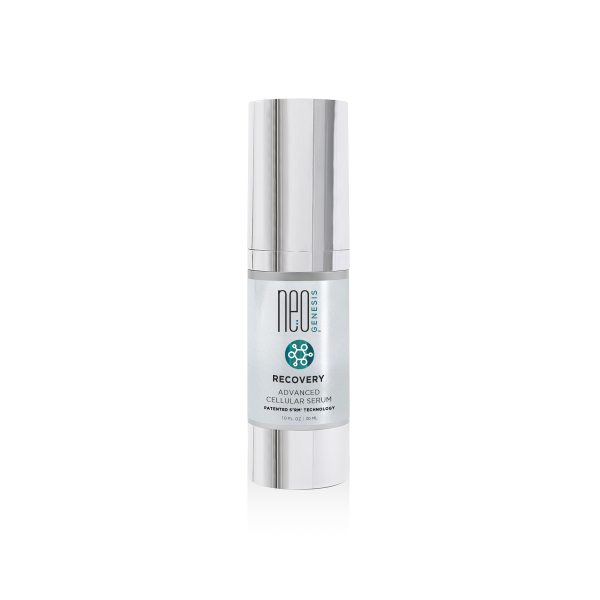
If the skin is inflamed, sensitive or compromised, barrier support may need to come first. This is where products such as barrier-supportive formulations can be particularly valuable.The aim is to reduce irritation and help create healthier, more resilient skin before introducing stronger corrective actives.
NeoGenesis Recovery – click to discover
CLEAR
To help gradually move existing pigment through the skin, we may introduce controlled resurfacing.
Depending on the individual, this may include:
Retinoids
Mandelic acid
Glycolic or lactic acid
Other carefully selected exfoliating products
The important point is not to over-exfoliate. Products such as
Melumé Retinal Skin Restore- click to discover

NeoGenesis Mandelic Acid 8% – click to discover

PROTECT
Every pigmentation routine needs daily protection.
Broad-spectrum SPF is essential, but antioxidant support can also play an important role.
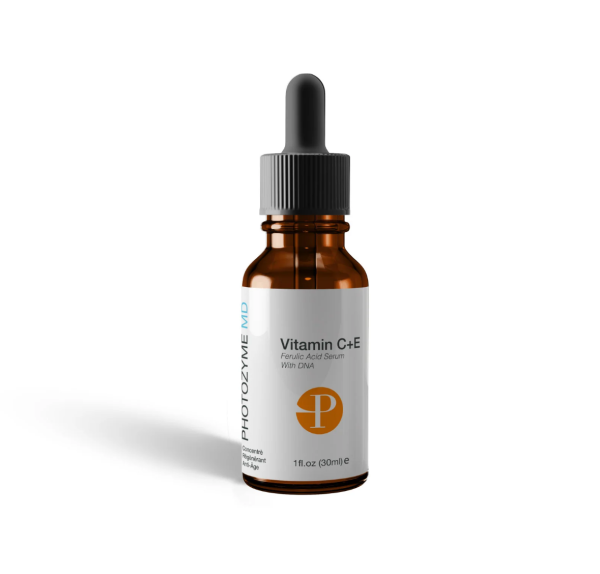
Photozyme Vitamin C+E Ferulic – click to discover
A useful example because it combines antioxidant support with vitamin C and DNA-repair technology.
A well-chosen sunscreen should then form the final step every morning.
One Routine Will Not Suit Everyone.
Pigmentation can have very different causes. Someone with post-acne pigmentation may need a different approach from someone with melasma, sun damage or very sensitive skin.
That is why we do not recommend simply layering every pigment-correcting product together. In some cases, the best starting point may be Calm and Protect. In others, we may introduce Suppress and Clear relatively early.
The skin itself should guide the programme.
What Should You Expect?
Pigmentation rarely disappears overnight. Skin may begin to look brighter relatively quickly, but stubborn pigmentation can take considerably longer.
The aim should be progressive improvement:
- More even-looking skin.
- Fewer new areas of pigmentation.
- Better-controlled pigment production.
A healthier and more resilient skin barrier. And importantly, continued protection to help maintain those improvements.
Some forms of pigmentation – particularly melasma – should be thought of as conditions we manage, rather than something we permanently cure.
Our Philosophy
At Medifine, we do not believe pigmentation should automatically be treated with increasingly aggressive products.
We look at the skin.
- What is driving the pigment?
- Is there inflammation?
- Is the barrier healthy?
- Is the skin being adequately protected?
- Are we regulating new melanin production as well as clearing existing pigment?
That is why our approach comes back to four simple actions:
SUPPRESS. CALM. CLEAR. PROTECT.
Because when we understand what melanin is doing – and why it is doing it – pigmentation becomes much easier to manage intelligently.
The Bottom Line
Melanin is not the enemy.
It is an essential protective pigment with an important biological role.
Our aim is not to remove it. It is to help the skin produce pigment appropriately and evenly.
And that means moving beyond the idea of simply “brightening” the skin. Effective pigment management is about understanding the biology, controlling the triggers and supporting healthier skin for
the long term.
Suppress. Calm. Clear. Protect.
Take Action
Pigmentation responds best to the right combination of products, used consistently and chosen for your individual skin.
Explore our carefully selected pigmentation, brightening, barrier-repair and protection ranges to build your own Suppress,
Calm, Clear and Protect routine.
If you are unsure where to begin or would like professional guidance on which products are most appropriate for your skin, we
are here to help.
Browse our pigmentation products or contact Medifine for personalised skincare advice.
Tel: 0113 225 3938 or info@medifine.co.uk
Your skin, our expertise.