
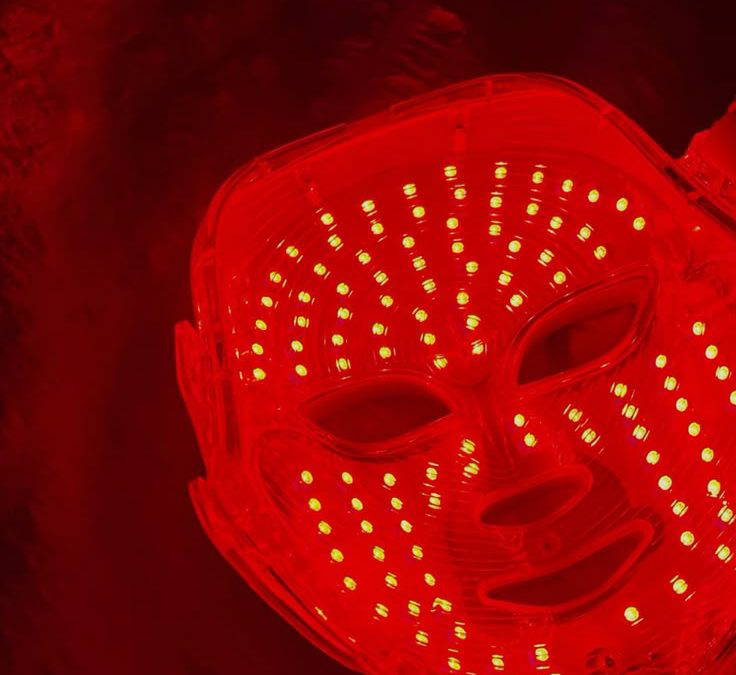
What is an LED Mask?
An LED mask is a treatment that uses gentle, non-heat light therapy to improve your skin.
It uses red and near-infrared light – the same types of light proven in clinical studies to boost skin repair and reduce inflammation. LED masks use low-energy red and/or near-infrared light, typically 600-1100 nm, to influence cellular metabolism and repair.
The Science Behind Red Light Therapy
Red light therapy works by giving your skin cells more energy so they can repair faster – the science behind it is called photobiomodulation. Red light delivers specific wavelengths of light typically 630-660nm and Near-Infrared 810-850nm to stimulate cellular processes. When these wavelengths penetrate the skin, they target mitochondria tiny structures inside almost every cell in your body, and their main job is to produce energy. These energy molecules called ATP (Adenosine Triphosphate) acts like fuel that keeps your cells working properly. This is why LED masks must be used regularly to “feed” cells with repeated light doses.
Think of Mitochondria as the batteries inside your skin cells and as we age, the batteries drain. LED masks recharge them by giving your cells more energy, so they repair faster, make more collagen, and stay healthier.
Healthy ATP levels help skin cells:
✅ Repair damage
✅ Make collagen and elastin
✅ Reduce inflammation
✅ Heal faster
✅ Stay youthful and healthy
When Mitochondria Slow Down (ageing, stress, inflammation), skin becomes:
- Dull
- Thinner
- Less elastic
- Slower to heal
- More prone to lines and wrinkles
Are Home-Use LED Masks worth the investment?
- Yes – if used consistently, 3-5 times weekly.
Is There Clinical Evidence to Support This?
- Yes – Home LED masks do work, but only with consistency. Clinical trials using them 3-4 times weekly showed measurable improvement in wrinkles, elasticity, radiance, and overall skin quality within 8 weeks.
Research:
- A Journal of Investigative Dermatology clinical study 2022 evaluated a homeuse LED mask with 630 nm + 850 nm wavelengths
Protocol:
- Use: 3-4 times per week
- Duration: 2 months
- Participants: 30 women aged 40–60
- Measurements: wrinkles, skin elasticity/mechanical properties, radiance, pores
Findings:
- Significant clinical improvement in wrinkles, radiance, firmness, and pores
- Histology confirmed increased elastic fibre size
Conclusion: home use LED masks provide “effective treatment for skin ageing signs”
It is one of the most credible, authoritative dermatology journals in the world – ideal for supporting claims in clinical skincare, LED therapy, and dermatologic science.
2. Dermatology Expert Consensus & Clinical Commentary
TIME Magazine: Collated Evidence Based Insights on at Home LED Mask Effectiveness, they interviewed dermatologists and reviewed available research on whether home LED masks actually work.
- Dermatologist Dr. Jennifer Sawaya confirms that redlight masks benefit the skin, but “seeing results depends on using the devices regularly.”
This emphasises that frequency and consistency are crucial for visible improvement. - TIME notes that redlight therapy has been used for decades, originally by NASA for wound healing and later adapted for dermatology because of its ability to:
- Promote collagen synthesis
- Support tissue repair
- Improve cell metabolism and energy efficiency
This demonstrates that LED is not a fad – it is a technology with strong biological foundations.
— Home LED masks deliver anti-ageing benefits through cellular stimulation
Dr. Heather Rogers explains that low-level red and infrared light helps skin cells become more efficient at:
- DNA repair
- Collagen synthesis
- Calming inflammation
These mechanisms directly relate to improvements in fine lines, wrinkles, and texture – showing why at home red light can be effective.
— How red light improves ageing skin (TIME’s science summary)
Red and infrared wavelengths deliver energy that skin cells use as “fuel.” When cells absorb this light, they become more active and better at tasks such as:
- Building collagen
- Repairing tissue
- Managing inflammationThese cumulative actions improve visible signs of ageing.
Overall Verdict:
Homeuse LED masks can work and benefit the skin — but only if used consistently. Results depend heavily on regular sessions, typically several times per week, because that’s how cellular repair pathways stay activated.
3. Systematic Review Evidence: Photobiomodulation (PBM) for Skin Rejuvenation
A 2021 systematic review (summarised in the SkinBliss evidenceled analysis) examined multiple peerreviewed studies of red and nearinfrared LED photobiomodulation. The review assessed wavelengths, outcomes, safety, and mechanisms of action.
Key evidence supported findings:
- Red Light (630–660 nm) Improves Collagen and Surface Skin Quality
Studies included in the systematic review showed that wavelengths in the 630-660 nm range:
- Stimulate fibroblast activity
- Increase collagen production
- Improve surface level skin concerns such as fine lines and texture
Near-Infrared Light (810–850 nm) Penetrates Deeper Tissues
Near-infrared wavelengths (810–850 nm) were repeatedly shown to:
- Penetrate up to 4 mm into skin
- Improve circulation
- Decrease inflammation
- Accelerate tissue repair
These deeper effects complement the collagen stimulating benefits of red light.
- Combined Red + NIR Wavelengths Deliver Superior Rejuvenation Outcomes
Devices using both red and near-infrared wavelengths showed the strongest improvements across:
- Elasticity
- Fine lines
- Skin firmness
- Overall skin rejuvenation
Multiple studies in the review demonstrated synergistic improvements when combining the two wavelength ranges.
- Consistent Use Is Essential – Results Depend on Frequency
The systematic review emphasised that PBM (Photobiomodulation) LED benefits are dose-dependent and accumulate over time.
- Regular, repeated treatments were required for improvements in elasticity, wrinkle depth, and texture.
- This aligns with recommended usage of 3–5× weekly, especially in home devices which deliver lower irradiance than clinical systems.
Is The Evidence Strong, Credible to Support the Use of Home LED Masks?
Yes – the evidence is high quality, credible, and strong enough to confidently justify.
- Using Home LED Masks
- Recommending 3-5× weekly at home use
- Integrating LED into treatment plans
Professional Devices vs Home LED Devices:
At home devices face fundamental limitations in power output due to safety requirements for consumer use. While professional devices can deliver 100-200mW/cm2, consumer devices typically max out at 30-50mW/cm2. This power differential directly impacts treatment depth and speed of results.
You need to consider the cost of professional light therapy sessions requirements and maintenance treatments, booking appointments and time out of your daily routines/constraints. However, convenience and accessibility of home usage can lead to superior long-term outcomes particularly in terms of flexibility, cost and consistency.
Efficacy: The trade-off in treatment timeline: Professional treatments may show visible improvements in 2-4 weeks, while at-home devices typically require 6-12 for similar results.
Device Quality Factors: What Actually matters:
Not all LED devices deliver equivalent results. Understanding key technical specifications helps identify effective options.
Critical Specifications:
– Wavelength accuracy proves more important than raw power output. As wavelength accuracy = hitting the exact therapeutic target.
Different wavelengths (colours) of LED light trigger specific biological responses in the skin:
- 415 nm → antibacterial for acne
- 6300-635 nm → collagen stimulation (red)
- 830-850 nm → deep repair + inflammation control (near-infrared)
For the treatment to work, the LEDs must emit precisely at (or very close to) those scientifically proven wavelengths.
If an LED device is off target (e.g., 630 nm advertised but actually outputs 590–610 nm), then:
❌ The skin does not receive the correct energy absorption
❌ The biological pathway doesn’t activate properly
❌ The results are significantly reduced
This is why medical-grade devices are strict about wavelength accuracy.
- Raw output (brightness or mW/cm²) doesn’t matter if the wavelength is wrong
Example :
An LED emitting at 600 nm may appear bright, but brightness alone is irrelevant. If the target wavelength for collagen stimulation is 630-635 nm, then a device operating at 600 nm will not trigger the collagen-signalling photobiomodulation pathway.
So even a weaker device with accurate wavelengths will perform better than a powerful device emitting the wrong ones. High output cannot compensate for the wrong wavelength.
- Skin cells absorb energy only at specific wavelengths
Think of LED wavelengths as keys, and cellular receptors as locks.
Only the correct key opens the lock:
- If the wavelength is accurate → ✔ the cell absorbs the light
- If inaccurate → ✘ energy is wasted as heat or scattered
So, accuracy directly affects:
- Stimulating fibroblasts
- Increasing ATP
- Reducing inflammation
- Killing acne bacteria
- Wound healing
LED Quantity and Distribution
- The minimum amount of LED (Light Omitting Diodes) recommended for clinical benefit is at least 120 LEDs
- Anything below 120 LEDs would be considered sub-therapeutic
Here’s why:
- Masks with lower than 120 LEDs usually have poor coverage, leaving “dead zones” where skin receives no treatment.
- High quality results require even distribution of energy – impossible in masks with very few LEDs.You need dense, evenly spaced LEDs
- To deliver uniform irradiance across the skin
- Without “hot spots” (overtreated areas) or “dead zones” (undertreated areas)
Most medically validated devices fall into this range:
Ideal spacing:
- LEDs should be close enough that their emission fields overlap
- This creates even irradiance (energy spread) across the face
If spacing is too wide:
- The user gets striping, patchy collagen stimulation, or poor acne clearance
- Irradiance drops sharply between LEDs
- Treatment becomes inconsistent
If spacing is too tight:
- Heat buildup increases
- The device may exceed safe thermal limits
Medical manufacturers calculate spacing using:
- Beam angle
- Diffusion lens design
- Panel curvature
- Target irradiance (typically 20–55 mW/cm² across the surface)
So spacing isn’t arbitrary – it’s engineered.
Build Quality Indicators:
- Flexible silicone construction provides better skin contact compared to rigid plastic shells, improving light transmission efficiency
- FDA clearance serves as a baseline quality indicator
- Additional certificates like CE marking and ISO quality management demonstrate higher manufacturing standards
Choosing a safe and effective home use LED face mask depends on evaluating critical device specifications supported by verified clinical and regulatory evidence. High quality masks demonstrate key performance criteria such as LED density, wavelength accuracy, and proven treatment outcomes.
Our Recommendation:
Based on current clinical evidence, safety profile, and user outcomes, we recommend Omnilux for home LED use. This recommendation is made independently and reflects product performance rather than brand affiliation.
Why We Choose OMNILUX as A Brand for Home Use LED Light Therapy Device
At our clinic, we only stock products and devices that meet strict criteria for clinical evidence, safety, and results. We have chosen Omnilux for home use LED therapy because it consistently performs to a medical-grade standard and is supported by high quality clinical research.
Our decision is based on:
- Strong independent clinical evidence for anti-ageing, acne, and healing
- Medicalgrade LED technology with proven wavelengths and irradiance
- Excellent safety profile & efficacy for home use, CE Certified
- Consistent, real world results for our patients
- Dermatologist Approved
- FDACleared for Acne
Omnilux Clear is FDAcleared for treating mild to moderate acne vulgaris on the face, using blue and red LED wavelengths proven to reduce breakouts, redness, and inflammation
This recommendation is made independently, without sponsorship or paid partnerships.
We select brands solely because they offer proven benefits to the skin and complement our in-clinic treatments.
OMNILUX LED MASKS offers a Full Comprehensive Range:
- Uses Blue (415 nm) + Red (633 nm) LED
- FDAcleared for treating mild-moderate acne vulgaris on the face
- Targets active acne, inflammation & postacne scarring

Omnilux Contour Face – For antiageing & rejuvenation
- Uses Red (633 nm) + NearInfrared (830 nm) light
- Clinically proven to reduce fine lines, redness, wrinkles, and improve skin texture
- Flexible silicone design provides even light distribution

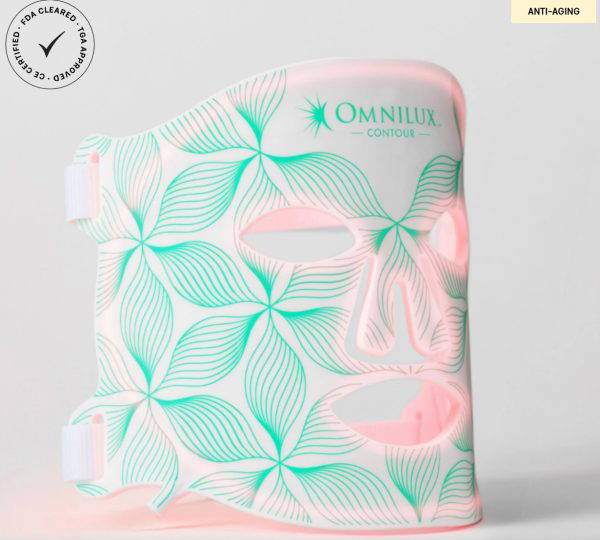
Omnilux Men – Engineered for male skin
- Uses Red (633 nm) + NearInfrared (830 nm) light
- Calibrated for thicker, oilier male skin
- Helps with firmness, tone, irritation from shaving, and signs of ageing

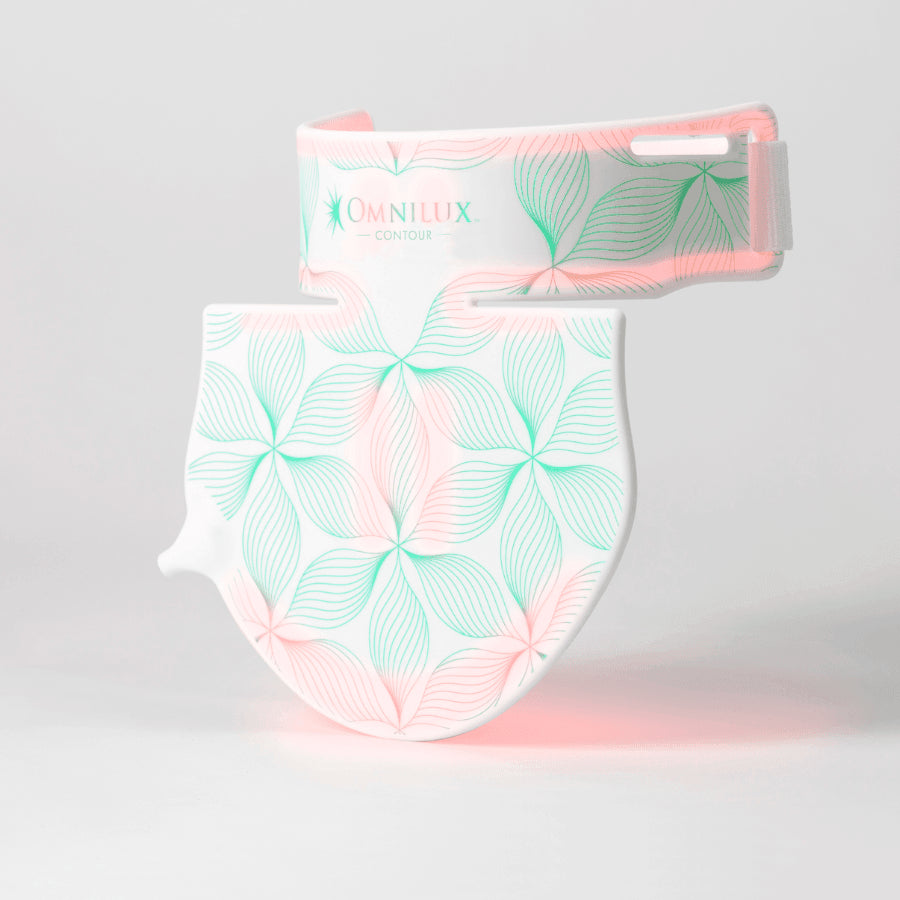
Omnilux Contour Neck & Décolleté – For neck & chest ageing
- Targets laxity, wrinkles, pigmentation and sun damage on the neck and chest.
- Uses red + NIR wavelengths (same as Contour Face)
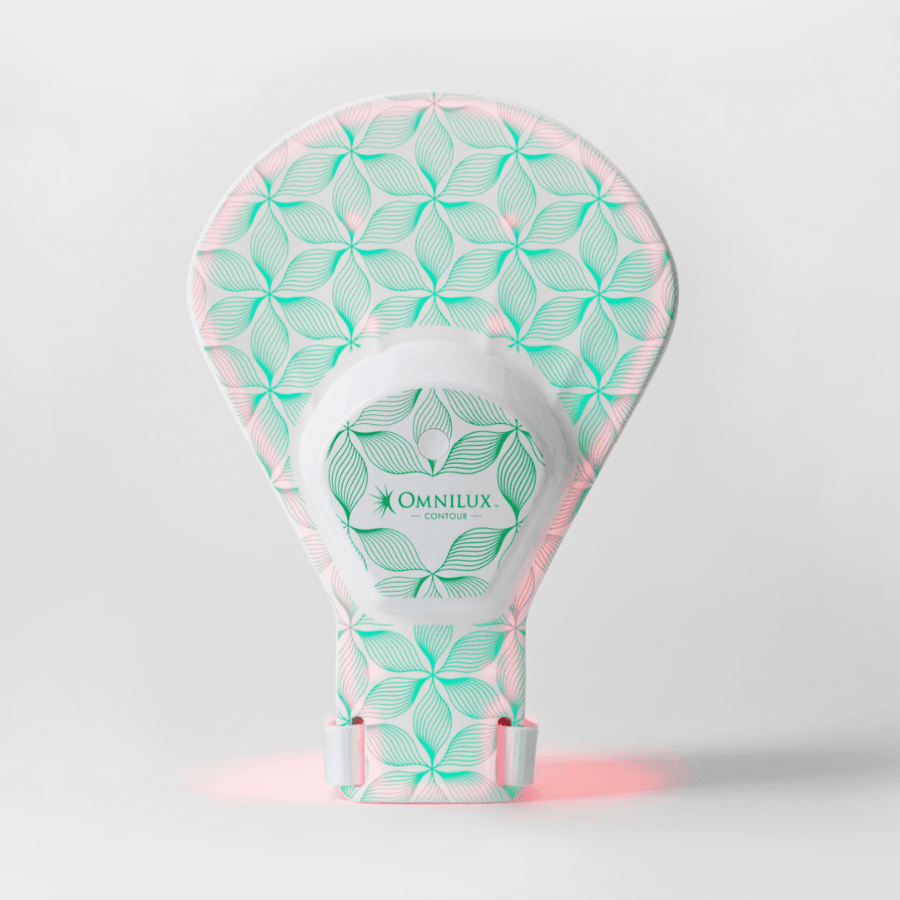
Omnilux Contour Glove – For hands
- Treats ageing, pigmentation, texture and sun damage on the hands
- Uses red + NIR wavelengths
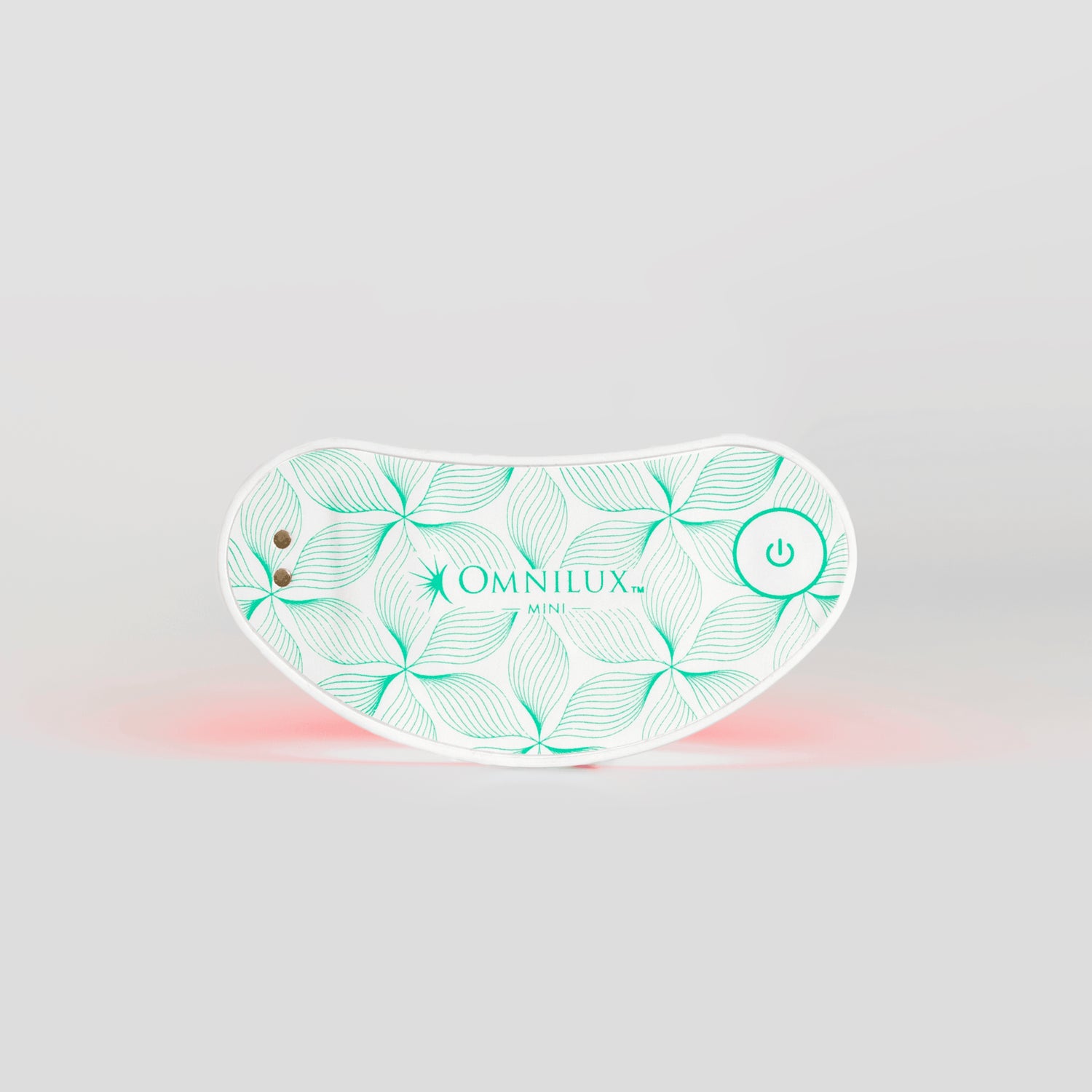
Omnilux Mini Devices (Targeted Treatments)
Mini Eye Brightener – FDA Cleared
- Spot-targeted red + near-infrared therapy for the under eye area
- FDAcleared for treating facial wrinkles
- Reduces fine lines, dark circles, under eye bags
- Mini Blemish Eraser (Pimple Patch LED)
- LED spot-treatment for individual blemishes
- Blue + red wavelengths to kill acne bacteria and reduce inflammation
Our LED Compatible Topical Skincare Recommendation is:
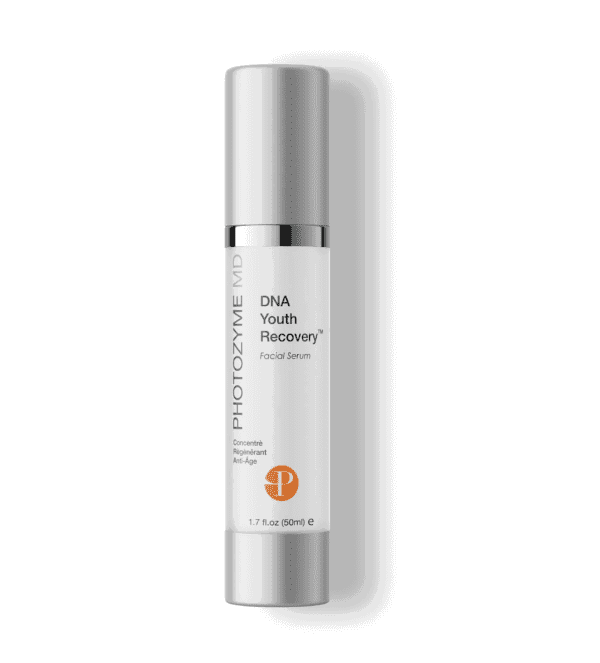
PHOTOZYME MD DNA Youth Recovery Facial Serum
- Contains 3 DNA repair enzymes which helps reduce the appearance of fine lines, wrinkles and UV spots resulting from sun damage
Safe Home LED Use – Why “More Intense” Does Not Mean Better Results
Many people assume that using an LED mask more often or staying under the light for longer than the recommended 10 minutes, will speed up results. LED therapy does not work this way.
Consistent, correct use is far more effective – and much safer – than over treating.
Why You Should Stick to the Recommended 10 Minute Sessions
1. LED therapy is dose-dependent – not intensity-dependent
LED works by giving the skin a measured and controlled dose of light energy. Once the skin has absorbed its optimal amount, extra exposure adds no additional benefit and may irritate the skin.
2. Overuse can overstimulate the skin
Using the mask for longer than directed can lead to:
- Increased redness
- Temporary irritation
- Dryness or sensitivity
- Slower healing, not faster
3. Clinical studies are based on short, consistent treatments
Devices like Omnilux are tested with 10minute sessions, usually 3-5 times a week. This protocol is where the proven results come from – not from doubling the time.
4.‘More is better’ is a common misconception
People often think that staying longer under the light = faster tightening, clearing, or rejuvenation. But phototherapy doesn’t work like heat or active skincare.
LED is about precision, not intensity.
Your Best Results Come from Consistency, Not Over Doing It
What really improves the skin is:
- Following the treatment schedule
- Keeping sessions regular
- Allowing the skin to respond and repair between treatments
Most clients see the best improvement when they use the device correctly, not excessively.
LED therapy delivers the best results when used consistently and exactly as directed – not by increasing the time or frequency. For the safest and most effective outcome, follow the recommended schedule and let the results build week by week.
You may want to consider combining professional LED treatment as well as home use LED masks to further enhance your results.
Our advice would be if you are:
- Seeking rapid results
- Dealing with severe skin concerns requiring medical oversight
- Uncomfortable with self-directed treatment
- Have photosensitive conditions to taking photosensitising medication
That you consult with a trained professional for appropriate advice.
Please contact us for more information on the OMNILUX LED Light Therapy Devices, topical skin care which compliments LED therapy or have a look on our online shop.
Medifine Skin Clinic/Aesthetics & Online Shop: medifine.co.uk
Contact us:
0113 225 3938
info@medifine.co.uk